
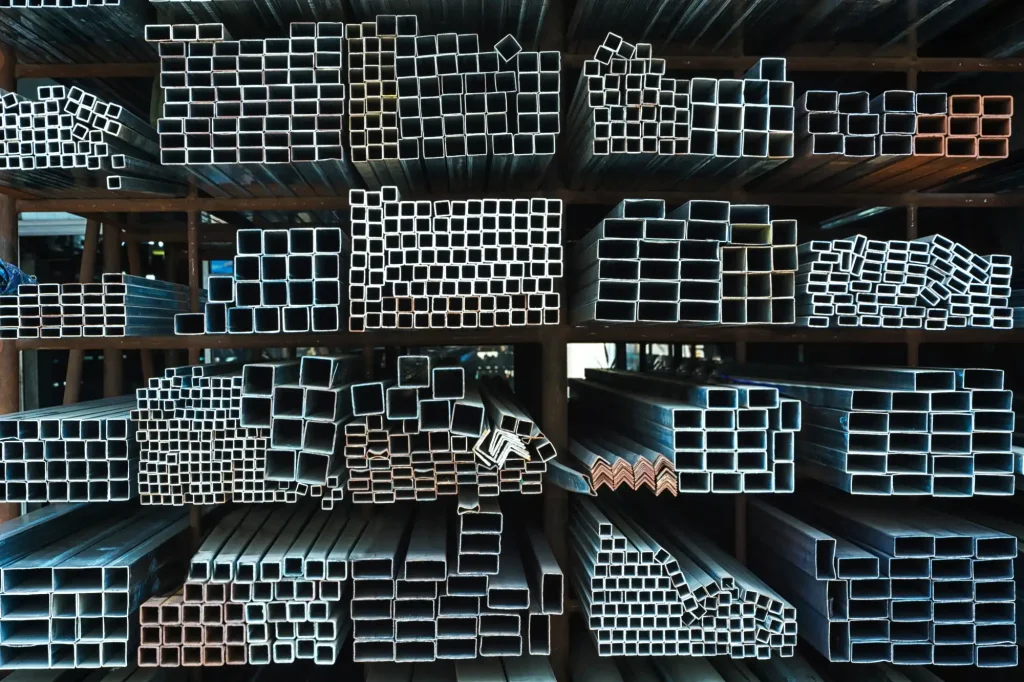
Choosing the right metal is one of the most important decisions in any welding or fabrication project. The material you select directly impacts strength, durability, corrosion resistance, cost, and long-term performance. Whether you’re planning a structural steel build, custom industrial equipment, or architectural fabrication, understanding your metal options will help you avoid costly mistakes.
In this guide, we’ll break down the most commonly used metals in fabrication — carbon steel, stainless steel, aluminum, and specialty alloys — and explain how to determine the best choice for your project.
info@miworldfabrications.com
Why Material Selection Matters in Metal Fabrication
The wrong material can lead to:
- Premature corrosion
- Structural failure
- Excessive maintenance costs
- Welding complications
- Budget overruns
Professional fabrication shops evaluate several key factors before recommending a material:
- Load requirements
- Environmental exposure
- Corrosion resistance
- Weight considerations
- Budget constraints
- Weldability and machinability
Let’s examine the most common options.
1. Carbon Steel: The Backbone of Structural Fabrication
Carbon steel is one of the most widely used materials in welding and structural fabrication. It is strong, versatile, and cost-effective.
Advantages:
- High strength-to-cost ratio
- Excellent weldability
- Readily available
- Ideal for structural frameworks
Best Used For:
- Structural beams
- Heavy equipment
- Industrial platforms
- Construction components
Carbon steel is often used in projects built under standards established by the American Institute of Steel Construction, ensuring safety and performance in structural applications.
Considerations:
Carbon steel is prone to rust without proper coating, galvanizing, or painting. If your project will be exposed to moisture or chemicals, additional protection is necessary.
2. Stainless Steel: Strength with Corrosion Resistance
Stainless steel contains chromium, which forms a protective layer that resists corrosion. It is commonly used in environments where cleanliness and durability are critical.
Advantages:
- Excellent corrosion resistance
- Attractive finish
- High strength
- Long lifespan
Best Used For:
- Food processing equipment
- Medical facilities
- Marine environments
- Architectural features
Certain grades (like 304 and 316) are especially popular for fabrication projects exposed to harsh environments.
Considerations:
Stainless steel is more expensive than carbon steel and requires precise welding techniques to prevent contamination or warping.
3. Aluminum: Lightweight and Corrosion-Resistant
Aluminum is widely chosen for projects where weight reduction is important.
Advantages:
- Lightweight
- Naturally corrosion-resistant
- Good strength-to-weight ratio
- Highly machinable
Best Used For:
- Transportation components
- Architectural panels
- Custom enclosures
- Outdoor structures
Considerations:
Aluminum requires specialized welding processes (often TIG or MIG with proper shielding gas). It also has lower overall strength compared to steel unless thicker sections are used.
4. Specialty Alloys: When Performance Is Critical
For extreme environments, specialty alloys may be required. These can include:
- Abrasion-resistant steel
- Heat-resistant alloys
- Marine-grade metals
- High-strength low-alloy (HSLA) steel
These materials are often selected for heavy industrial applications, oil and gas equipment, or high-temperature manufacturing environments.
Although more expensive, specialty alloys can significantly reduce long-term maintenance and replacement costs.
Key Factors to Consider Before Choosing a Metal
1. Load and Structural Requirements
Will the structure bear heavy loads? Carbon steel or HSLA steel may be best.
2. Environmental Exposure
Is the project exposed to moisture, chemicals, or saltwater? Stainless steel or aluminum may be better options.
3. Weight Restrictions
For mobile equipment or transport applications, aluminum can reduce overall weight.
4. Budget
Carbon steel is typically the most economical upfront. Stainless and specialty alloys cost more but may reduce lifecycle expenses.
5. Compliance and Safety Standards
Projects often need to meet codes and welding standards from organizations like the American Welding Society, especially for structural or commercial applications.