
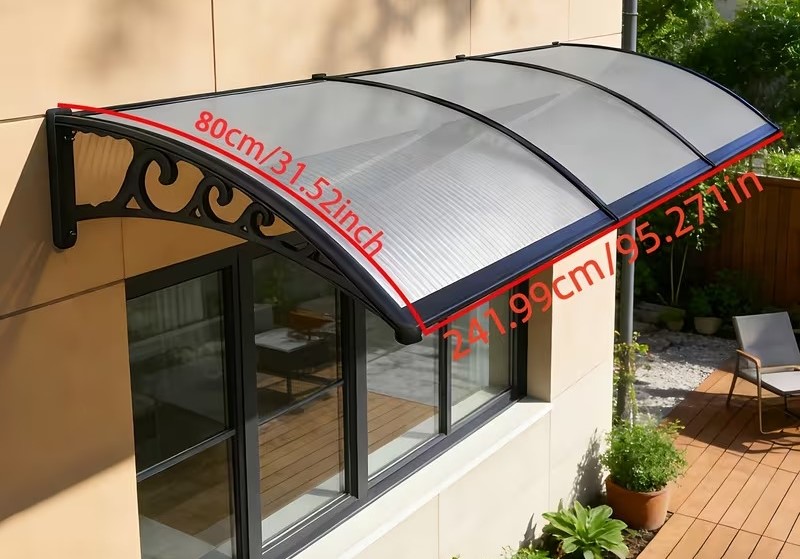
Window awnings are more than decorative additions to a building’s exterior — they are practical protective structures that improve comfort, durability, and energy efficiency. Whether for residential homes, offices, warehouses, or commercial properties, properly fabricated awnings provide year-round protection against harsh weather conditions.
Here’s how window awnings protect your building from heat, rain, and UV damage.
1. Protection Against Excessive Heat
In hot climates, direct sunlight through windows significantly increases indoor temperatures. This forces air conditioning systems to work harder, leading to higher electricity bills.
Window awnings:
- Block direct sunlight before it hits the glass
- Reduce indoor heat gain
- Lower cooling costs
- Improve overall comfort
By shading windows during peak sunlight hours, awnings can dramatically reduce solar heat gain — especially on west- and south-facing walls.
For commercial buildings, this translates into noticeable energy savings over time.
2. Shielding Windows from Heavy Rain
Frequent rainfall can cause long-term damage to window frames, seals, and surrounding walls. Without protection, rainwater can:
- Penetrate weak seals
- Cause mold growth
- Damage paint and finishes
- Lead to structural deterioration
Window awnings act as a protective barrier, directing water away from windows and exterior walls. This reduces moisture intrusion and extends the lifespan of your building envelope.
For areas with strong storms and heavy rainfall, professionally fabricated metal awnings provide reliable, long-term protection.
3. Blocking Harmful UV Rays
Ultraviolet (UV) radiation from the sun can:
- Fade interior furniture
- Damage flooring and curtains
- Weaken window materials over time
By limiting direct exposure to sunlight, awnings reduce UV penetration and protect interior assets. This is especially valuable for:
- Retail stores with window displays
- Offices with workstations near windows
- Homes with hardwood floors and upholstery
Reduced UV exposure means less frequent replacement or repair of interior materials.
4. Extending the Life of Windows and Exterior Finishes
Constant exposure to sun and rain accelerates wear and tear. Heat causes expansion and contraction, while moisture promotes corrosion and rot.
Awnings help by:
- Reducing thermal stress on window frames
- Limiting direct water exposure
- Protecting paint and coatings
This extends the lifespan of windows, sealants, and surrounding walls — lowering maintenance costs over time.
5. Improving Energy Efficiency
By controlling heat gain naturally, window awnings reduce dependence on air conditioning systems. This results in:
- Lower electricity bills
- Reduced energy consumption
- Improved environmental sustainability
For commercial properties, these savings can become substantial across multiple floors or large glass facades.
6. Added Structural Strength with Custom Fabrication
Professionally fabricated metal awnings offer greater durability than lightweight alternatives. Custom fabrication ensures:
- Proper anchoring and load support
- Resistance to wind and heavy rain
- Long-term structural integrity
Working with experienced fabricators ensures your awnings are designed to withstand local climate conditions while complementing your building’s architecture.