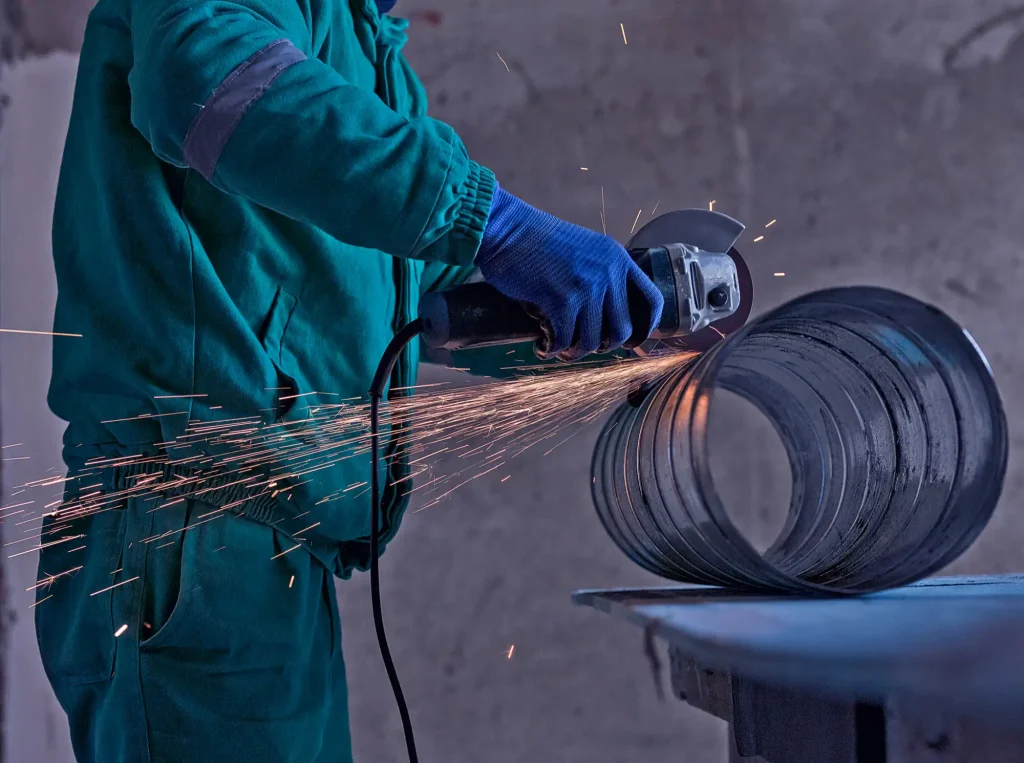
In large construction projects, every decision affects the bottom line. From material selection to installation timelines, inefficiencies can quickly escalate costs. One of the smartest cost-saving strategies developers and contractors use today is custom metal fabrication.
While some assume prefabricated or off-the-shelf components are cheaper, custom fabrication often delivers greater long-term value, reduced waste, and faster project completion — all of which directly impact profitability.
1. Reduced Material Waste
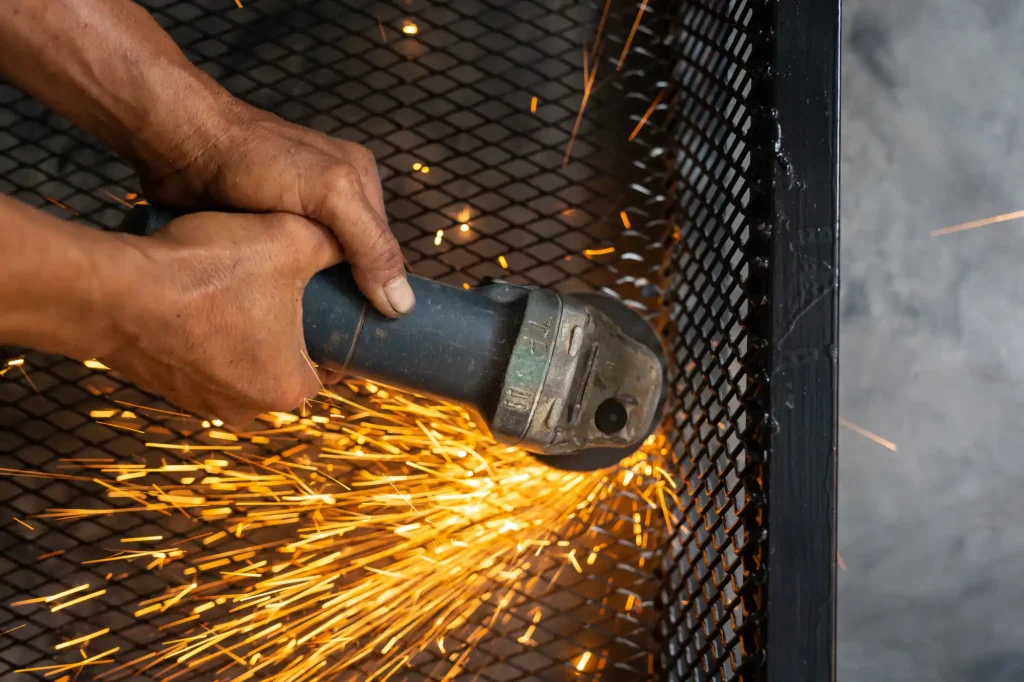
Off-the-shelf steel components often require on-site modifications, cutting, or adjustments to fit project specifications. This results in:
- Excess scrap material
- Increased labor hours
- Rework costs
Custom fabrication ensures each component is manufactured precisely according to engineered drawings. Fabricators working under standards from the American Institute of Steel Construction help guarantee dimensional accuracy and structural integrity.
Result: Less waste, fewer corrections, and lower material costs.
2. Faster Installation and Reduced Labor Costs
Time is money on a construction site. Delays increase:
- Equipment rental fees
- Labor expenses
- Project management costs
Custom-fabricated components are built to fit perfectly upon delivery. Pre-drilled holes, exact measurements, and proper weld preparation allow crews to install quickly without field modifications.
This streamlined installation can significantly reduce man-hours — especially on large-scale structural steel or industrial builds.
3. Improved Structural Efficiency
Custom fabrication allows engineers to optimize structural designs. Instead of using generic materials that may be overbuilt (and more expensive), custom fabrication ensures:
- Proper load distribution
- Correct material thickness
- Optimized joint placement
Compliance with standards from organizations like the American Welding Society ensures weld quality and structural reliability.
Better engineering = better performance with fewer materials.
4. Lower Long-Term Maintenance Costs
In large projects such as warehouses, factories, shopping complexes, or multi-story buildings, long-term maintenance is a major cost factor.
Custom fabrication allows you to:
- Select corrosion-resistant materials
- Add protective coatings
- Design for environmental conditions
For example, stainless steel or properly coated carbon steel can dramatically reduce rust-related repairs in humid or coastal environments.
Over the lifecycle of a building, these savings can far exceed initial material costs.
5. Enhanced Durability Reduces Replacement Costs
Cheap, standardized components may fail prematurely under heavy loads or environmental stress.
Custom-fabricated components are designed specifically for:
- Intended load capacity
- Environmental exposure
- Operational demands
When structures last longer without failure, owners avoid expensive replacements and downtime.
6. Better Project Coordination
Custom fabrication improves coordination between:
- Architects
- Structural engineers
- General contractors
- Fabrication teams
Early collaboration reduces design conflicts and prevents costly mid-project adjustments.
With modern CNC plasma cutting and precision welding techniques, fabricators can produce complex parts that align perfectly with architectural and engineering plans.
7. Minimized On-Site Risks and Liability
Field modifications increase:
- Safety risks
- Welding errors
- Structural inconsistencies
Pre-fabricating components in a controlled workshop environment ensures higher quality control, reducing on-site hazards and liability exposure.
Fewer errors mean fewer insurance claims and reduced rework expenses.
8. Bulk Fabrication Economies of Scale
Large construction projects benefit from producing components in batches. Custom fabrication shops can:
- Optimize raw material usage
- Streamline production processes
- Reduce per-unit manufacturing costs
This approach often makes custom fabrication more economical than repeatedly purchasing modified standard parts.
Real-World Example: Structural Steel Projects
In major warehouse or commercial builds, custom steel beams and columns are fabricated to exact span and load requirements. Instead of trimming generic beams on-site, fabricators deliver components ready for assembly.
The result:
- Faster erection
- Lower crane time
- Reduced labor costs
- Minimal waste
On large projects, even a 5–10% efficiency improvement can translate into substantial financial savings.
The Bottom Line
Custom fabrication isn’t just about precision — it’s about profitability.
It helps large construction projects:
- Reduce waste
- Lower labor costs
- Improve durability
- Minimize rework
- Shorten timelines
- Enhance long-term ROI
When done correctly, custom fabrication transforms from an expense into a strategic investment.